
How to Protect Against Quishing and QR Code Scams
The New Phishing Threat: How to Protect Against "Quishing" and QR Code Scams
While your team might have been trained to spot suspicious links in emails (and if not, what are you waiting for?), a new and sophisticated form of social engineering is on the rise: "quishing." This clever combination of "QR code" and "phishing" leverages the users trust in QR codes to deliver malicious payloads, often bypassing traditional email security filters.
What is Quishing and How Does it Work?
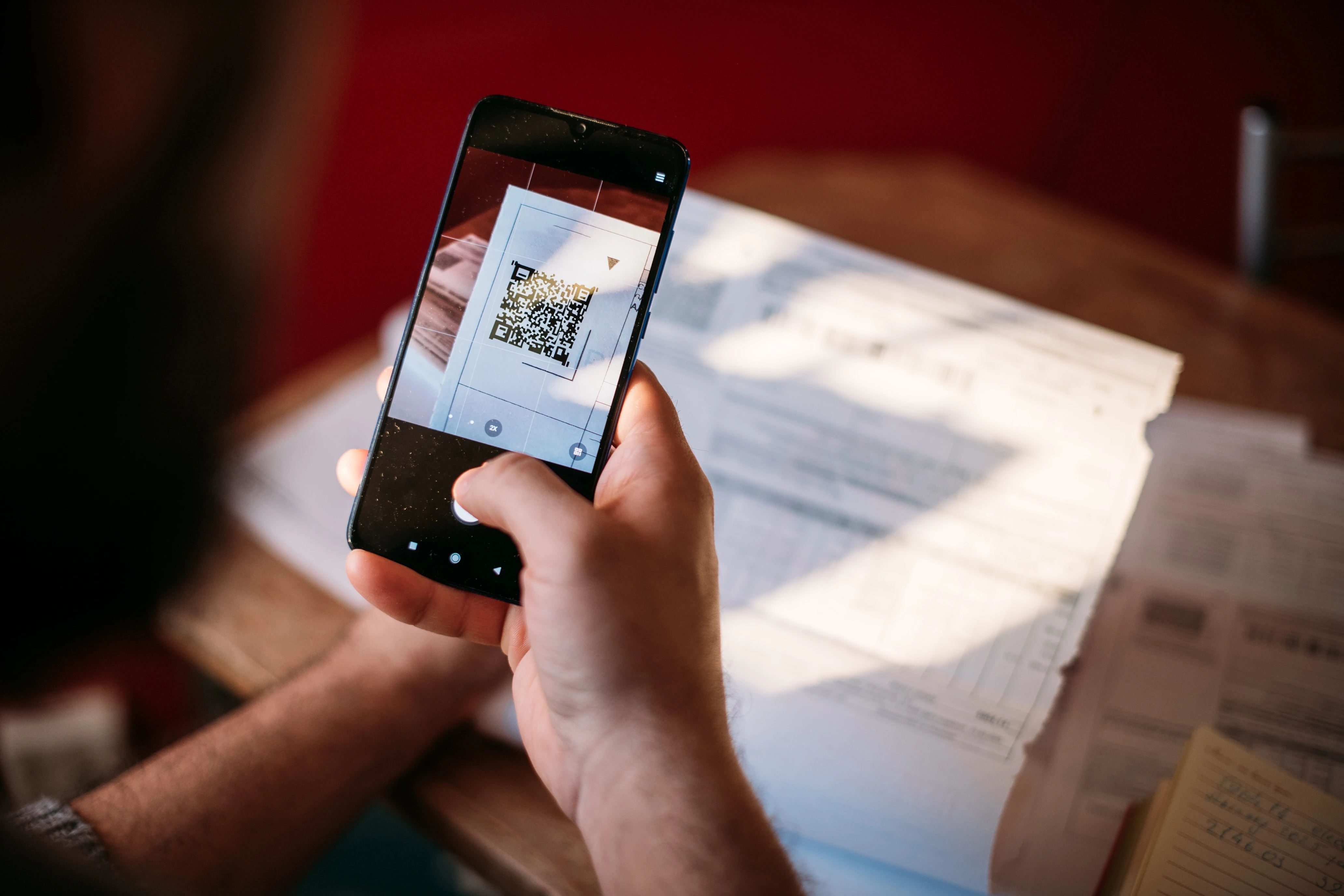
Quishing is a phishing attack that uses malicious QR codes to direct victims to fraudulent websites, or prompt them to download malware. Unlike a traditional phishing email with a visible hyperlink, a quishing attack embeds the malicious URL within an image, a format that many email security gateways struggle to analyse. This makes it a highly effective method for attackers to get their malicious content past the front door.
A common quishing attack might look like this:
1. The Bait: An employee receives an email that appears to be from a trusted source, such as a bank, a delivery company, or a social media service. The email often contains a sense of urgency, claiming that their account has been locked or a password needs to be reset.
2. The Hook: Instead of a clickable link, the email contains a QR code with a call to action like, "Scan here to verify your account."
3. The Compromise: When the user scans the QR code with their mobile device, they are redirected to a convincing fake login page. Unaware, they enter their credentials, which are then immediately stolen by the attacker.
Why Quishing is a Growing Threat
Attackers are increasingly turning to quishing for several strategic reasons:
· Bypassing Security: As an image, the QR code often evades the text-based filtering of many email security tools.
· Targeting Multiple Devices: Employees may receive the email on their work computer but use their personal phone to scan the code. This bypasses corporate security controls on the mobile device, making it a particularly difficult threat to track and mitigate.
· High Success Rate: Because we are conditioned to trust QR codes for everything from restaurant menus to digital payments, users are less likely to be suspicious of them.
How to Defend Your Organisation Against Quishing
A multi-layered approach is the most effective way to counter this threat.
1. Cultivate Employee Awareness and Training
The human element remains your strongest defense. You can help your team by:
· Educating them on the threat: Teach employees what quishing is and how it works. Use real-world examples to make the threat tangible.
· Establishing a "Verify First" mindset: Encourage employees to never scan a QR code from an unexpected or unsolicited source. When in doubt, they should navigate to the official website directly by typing the URL into their browser.
· Conducting Phishing Simulations: Incorporate QR-based phishing attacks into your security training exercises to give employees hands-on experience in identifying and reporting these scams.
2. Leverage Advanced Security Technologies
· Email Security Gateways: Ensure your email security solution has advanced image analysis capabilities that can detect and decode QR codes to check the embedded URLs for malicious content.
· Mobile Device Management (MDM): Deploy MDM to enforce security policies and application controls on all company-owned and personal devices used for work.
· Multi-Factor Authentication (MFA): Even if a scam succeeds in stealing a password, MFA can prevent the attacker from gaining access to the account.
3. Strengthen Your Incident Response Plan
· Update Protocols: Add specific protocols to your incident response plan for quishing attacks, including clear steps for reporting, isolating affected devices, and communicating with employees.
· Secure Reporting Channels: Make it easy for employees to report suspicious emails and QR codes without fear of reprisal.
Conclusion: Don't Wait for the Scan to Happen
The rise of quishing is a clear indicator that cybercriminals will always find new ways to exploit trust and technology.
Concerned about your organisation's quishing readiness? Contact us for a free security assessment and we’ll help you strengthen your defenses.